|
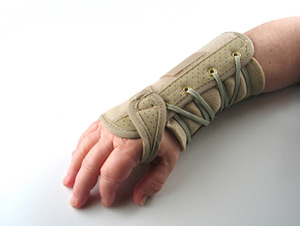 A hand splint can serve many purposes, but the primary reason for splinting is most often the immobilization and protection of the hand. When the hand is immobilized, there is a much higher potential for healing. It also speeds up the healing process by forcing the affected area to rest. A hand splint can serve many purposes, but the primary reason for splinting is most often the immobilization and protection of the hand. When the hand is immobilized, there is a much higher potential for healing. It also speeds up the healing process by forcing the affected area to rest.
Different injuries and different procedures require different splint designs on the road to recovery. It’s ultimately up to the therapist, in conjunction with the hand doctor, to design a customized approach to healing. Prefabricated splints exist, which fit a wide range of fingers and hands, but a prefabricated splint may not be the best option for a patient’s healing and comfort.
Beyond the diagnosis and surgical procedure, factors that go into designing a custom splint also include factors such as swelling, wound access or care requirements, finger/hand size, and the proper positioning of bones and joints.
It’s important that a custom hand splint does not immobilize the entire arm or make it impossible to accomplish every day activities. At Midwest Hand Therapy, a number of factors are considered before determining which route to healing is the most appropriate. The custom splinting process is individualized to meet the needs of each and every patient.
|